


Some of today’s most in-demand careers require skills that can only be developed through hands-on experience. Whether students are learning horticulture, construction, healthcare, manufacturing, or apparel design, there is no substitute for working with real materials, equipment, and tools. As community colleges expand career education and workforce training programs, the spaces where students learn play an increasingly important role in preparing them for success.
Unlike traditional classrooms, career technical education (CTE) facilities must function as active workplaces. Students learn by operating equipment, experimenting with materials, collaborating with peers, and solving practical problems. These environments need to be durable, adaptable, and safe while reflecting the conditions students will encounter in their future careers. They must also accommodate changing technologies, industry practices, and workforce demands.
Merritt College Horticulture Complex | A Living Laboratory
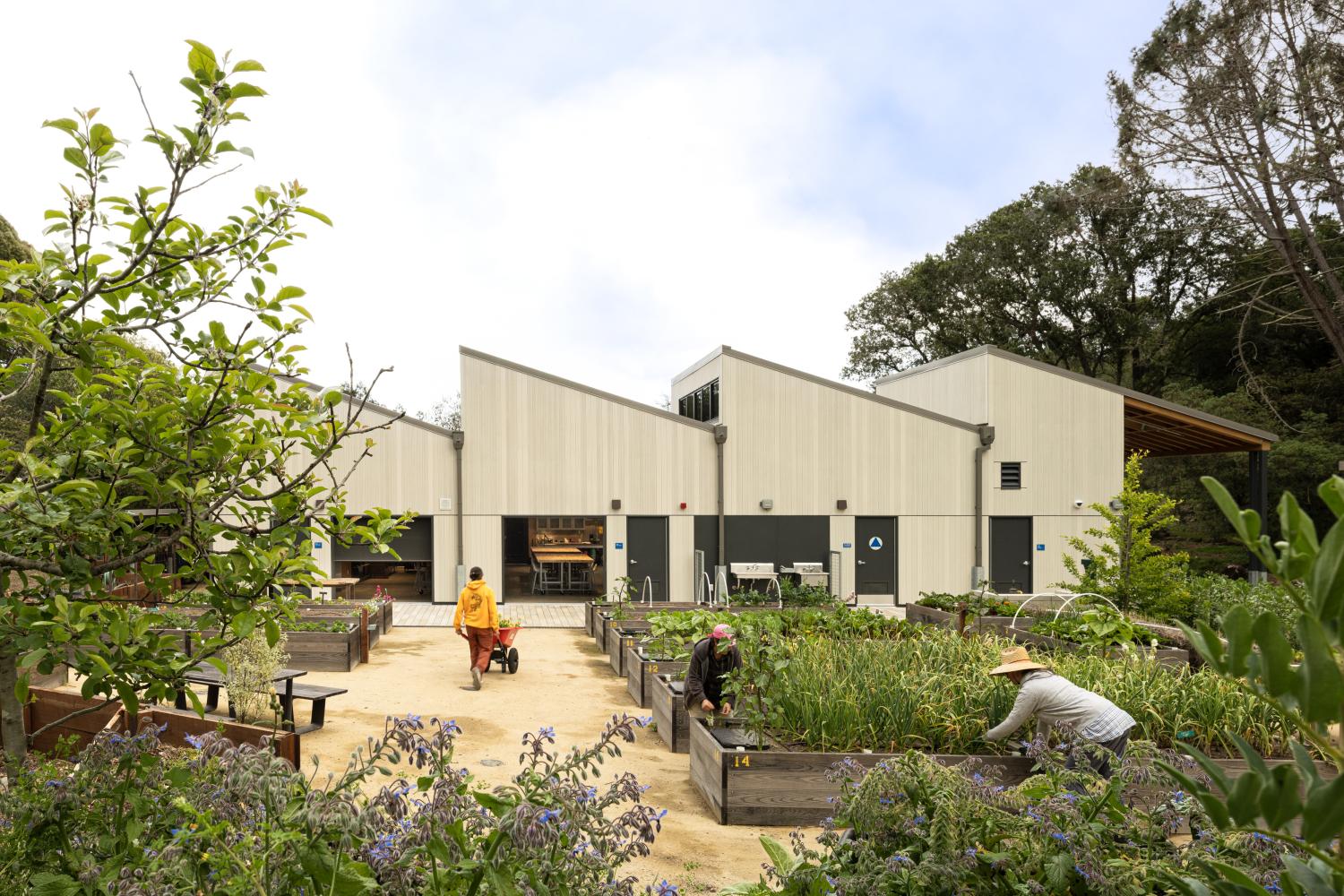
The campus itself is a teaching tool. Designed to support one of the college's signature programs, the new facility brings together greenhouses, gardens, propagation areas, classrooms, and outdoor workspaces in an environment where learning happens both indoors and out.
Students gain practical experience with the plants, tools, and systems they will encounter in professional practice. Landscape features and water management strategies provide opportunities to explore sustainability, resource conservation, and environmental stewardship firsthand.
The design celebrates the connection between people and nature, creating a living laboratory where students can experiment, observe, and apply what they learn. By making the landscape an integral part of the educational experience, the project prepares students for careers in horticulture, landscape management, and related environmental fields.
College of Alameda Center for Liberal Arts | Where Creativity Meets Technical Skills
The Center for Liberal Arts provides a permanent home for the Apparel Design and Merchandising (ADAM) Program, bringing creative exploration and technical training together under one roof.
The program prepares students for careers in the fashion and apparel industry through hands-on instruction in design, pattern making, garment construction, textiles, and merchandising. Flexible studios, classrooms, and collaborative spaces support the creative process from initial concept to finished product.
As technologies and industry practices change, the building is designed to evolve with them, supporting new approaches to teaching, learning, and creative production.
Solano Community College Learning Resource Center | Building Skills for Student Success
Hands-on learning extends beyond specialized classrooms and laboratories. The Learning Resource Center supports students pursuing a wide range of academic and career pathways by bringing essential learning resources together in one accessible environment.
The center includes resources for Career Technical Education (CTE) students and the Academic Success and Tutoring Center (ASTC), which provides peer tutoring, academic support, and access to computer labs. These resources help students strengthen the foundational skills needed to succeed in technical and vocational programs. By providing spaces for individualized instruction, technology access, and collaborative learning, the center reinforces an important connection between academic achievement and career readiness.
Laney College Learning Resource Center | Preparing Students for a Connected Workforce
The new Learning Resource Center, currently under construction, is designed to support the ways students learn, collaborate, and prepare for careers in an increasingly technology-driven world. Designed in collaboration with Mark Cavagnero Associates, the three-story, 75,000 SF building brings together library services, tutoring, digital resources, specialized learning labs, and collaborative spaces in a welcoming new campus destination.
Access to technology, specialized software, and digital learning resources helps students develop skills relevant to today's workforce. Flexible group study areas and collaborative learning environments encourage teamwork, communication, and problem-solving, reflecting the ways professionals work across disciplines.
For students pursuing career education programs in fields such as business, computer information systems, and construction management, these resources complement technical instruction by providing opportunities to work together, access specialized tools, and strengthen research and digital literacy skills.
Designing for What Comes Next
The most effective career education environments do more than accommodate instruction. They encourage students to experiment, collaborate, solve problems, and build confidence through experience. Whether tending a greenhouse, constructing a garment, developing technical skills, or working with classmates on a complex challenge, students benefit from spaces that connect what they learn with how they will use it.
Community colleges have long been engines of workforce development and economic mobility, providing accessible pathways to meaningful careers. As industries evolve, the facilities that support these programs must evolve as well. By creating flexible, engaging environments that bring learning and practice together, we can help community colleges prepare students not just for their first jobs, but for careers that will continue to change.